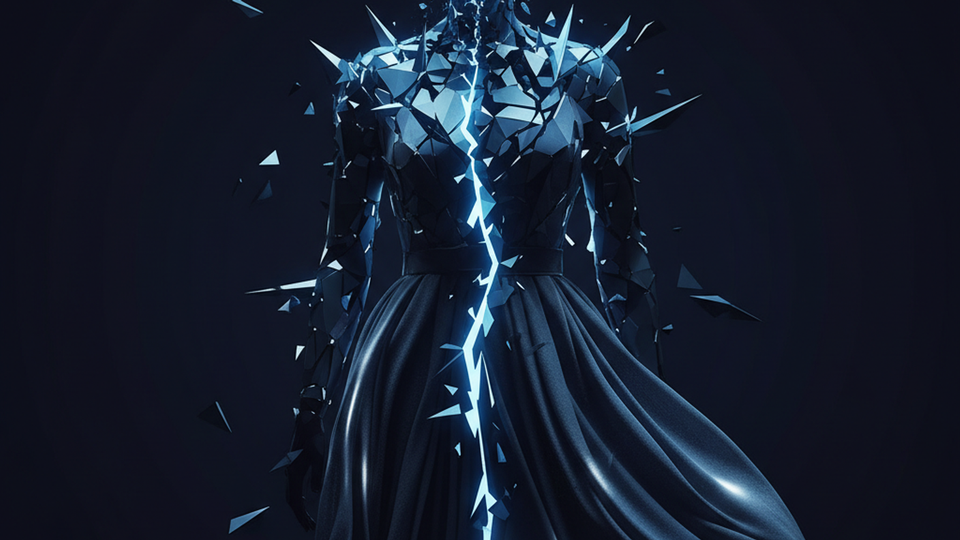
The problem isn't that AI models look fake anymore. It's that they're good enough to make you click "add to cart" without noticing.
The Summary
- Australian e-commerce retailer The Iconic is using AI-generated models to sell real clothing products, sparking questions about representation, trust, and what "model" means when there's no human in the loop.
- Small independent brands like Atoir defend the practice as necessary for competing in tight markets, claiming it offers "greater agility" without sacrificing product accuracy.
- The Iconic says AI imagery must be "clearly labelled" and accurately represent products, but that standard sidesteps bigger questions about labor displacement and authenticity in commerce.
The Signal
A journalist at The Guardian ordered a dress modeled by an AI-generated person to see if the garment matched the synthetic representation. That's the new reality check in e-commerce: not "does the model look real," but "does the dress fit when an actual human wears it." The test itself reveals how normalized AI modeling has become. We've crossed from novelty to infrastructure.
The Iconic's disclaimer about labeling and accuracy sounds reasonable until you think about what it doesn't address. Nobody's asking if the fabric drapes the same way on a body with mass and gravity as it does on pixels sculpted by someone optimizing for conversions. The AI model doesn't sweat, doesn't shift weight, doesn't have the shoulder asymmetry most humans develop. It's the Platonic ideal of fit, which is another way of saying it's a lie of omission.
"The Australian fashion industry is highly competitive, particularly for independent brands."
This is the wedge argument. Atoir, the designer whose dress was tested, frames AI models as a leveling tool. Photoshoots are expensive. Models, photographers, studios, all cost money small brands don't have. Generate a model, skip the logistics, keep prices down. It's compelling if you only look at the brand's P&L.
But look one layer deeper. What happens when every small brand adopts this? You don't level the playing field. You just shift which workers get cut. Photographers, makeup artists, booking agents, the entire support structure around human models. And models themselves, especially those starting out or working regionally, lose the lower-tier gigs that used to be their entry point.
The Implication
If you're a brand, the calculus is clear: AI models are cheaper and faster, and your competitors are already using them. If you're a model, especially outside the top tier, you're watching your market get eaten from below. The prestige gigs might stay human for now, but the bread-and-butter e-commerce work is going synthetic.
For consumers, the shift is quieter but weirder. You're training yourself to buy based on representations that have never existed in three dimensions. The gap between "what I saw" and "what arrived" was already a problem in online retail. Now it's structural. Watch for the return rate data. If AI-modeled products come back more often, the efficiency gains disappear. If they don't, we've just proven humans are fine buying from ghosts as long as the dress ships on time.