Hollywood isn't getting replaced by AI. It's getting new tools that actually fit how films get made.
The Signal
The gap between AI hype and production reality is finally getting attention. Sora, Veo, Runway. All impressive demos. None of them ship actual entertainment. The problem isn't capability, it's fit. These models generate end results. But filmmaking isn't about end results. It's about iteration, control, and a thousand micro-decisions between concept and cut.
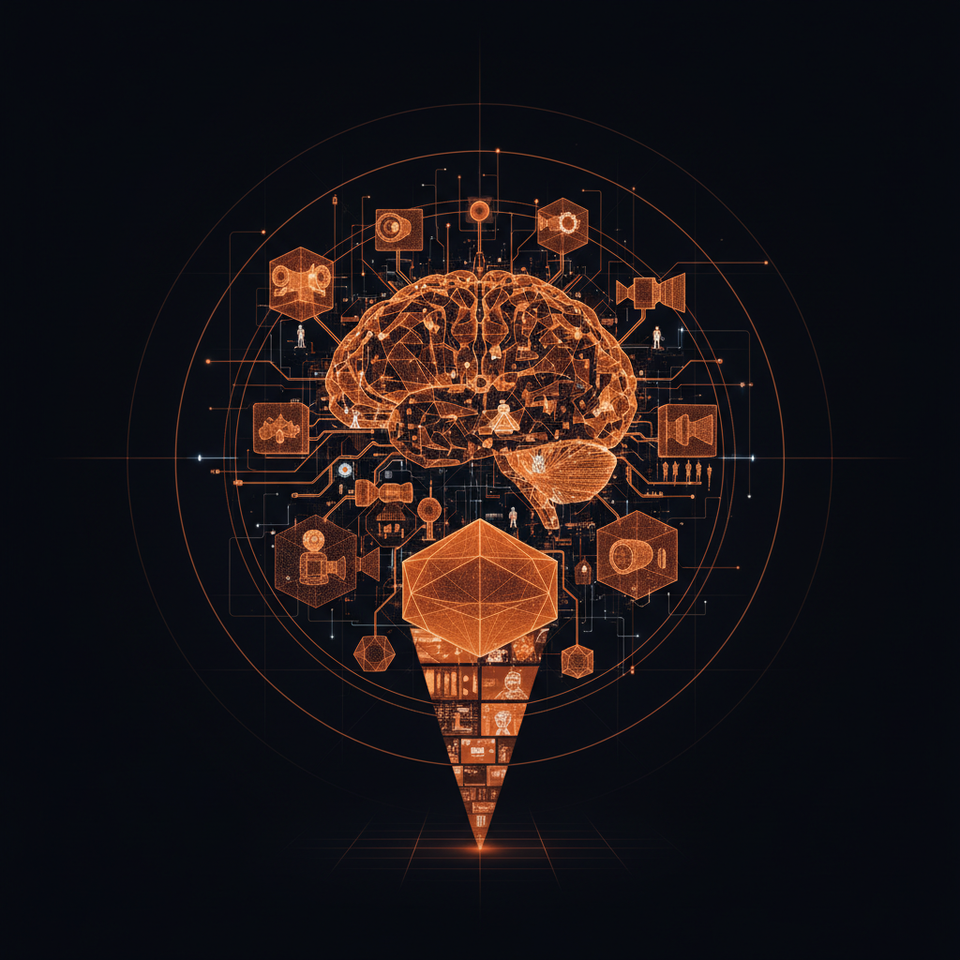
Now a different approach is emerging. Bespoke models trained for specific production needs. Not "make me a movie." More like "give me twelve variations on this lighting setup" or "maintain character consistency across 400 shots." These tools slot into existing workflows instead of trying to replace them. They solve actual bottlenecks. Pre-visualization. Storyboarding. Background generation. Concept iteration. The boring, expensive parts that eat time and budget before a single frame of real footage gets captured.
The copyright angle matters too. Training on licensed content from the start means fewer legal landmines. Studios can actually use this stuff without their legal teams having panic attacks. That's not sexy but it's the difference between demos and deployment.
This is how AI actually enters production pipelines. Not by nuking the industry. By becoming another piece of gear that crews learn to use well or poorly, like cameras went digital or editing went non-linear.
The Implication
Watch which studios and production companies start talking about their custom models. That's the signal they're building for Web4 production workflows, not just experimenting. For talent, the question shifts from "will AI take my job" to "which parts of my job do I want to automate so I can focus on the parts that matter."