The ad industry just placed its first big bet on a world where your AI doesn't just search—it shops, and advertisers want to reach it before it ever tells you what it found.
The Summary
- Gravity raised $30.5M Series A to build infrastructure for ads inside AI platforms—both for humans using ChatGPT and for AI agents buying things on their own
- The startup runs a full-stack ad platform: demand-side for advertisers like Best Buy and Target, supply-side for AI developers monetizing apps, and an exchange connecting them
- Gravity is testing "agent-to-agent" ads that human users never see—advertisers feed product catalogs directly to purchasing agents, enriching buying decisions before recommendations surface
The Signal
Gravity isn't selling banner space in a chatbot. They're building the infrastructure for a fundamentally different advertising model: one where the ad impression happens inside the decision-making process of an AI agent, not on a screen in front of a human.
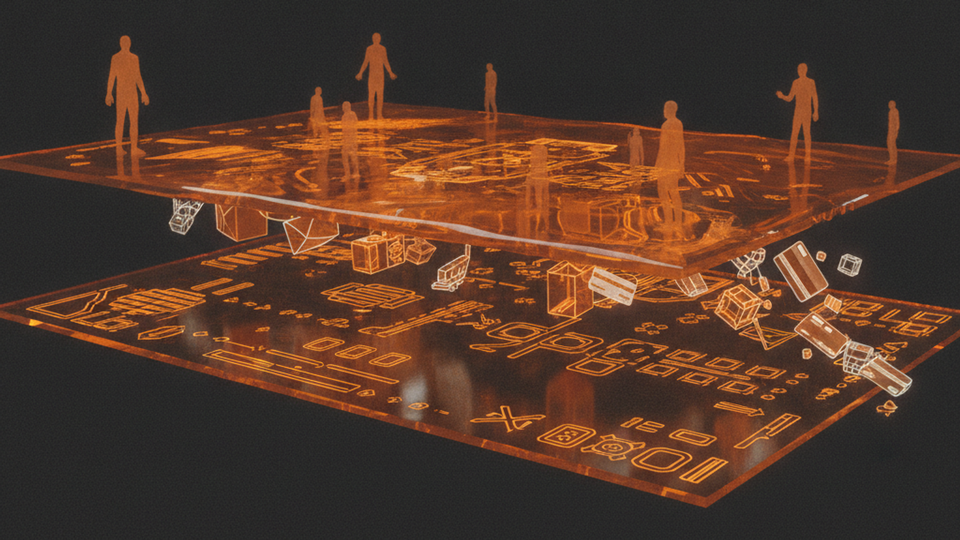
The company already places text ads in ChatGPT and smaller AI platforms like Codebuff and Daimon. But the real bet is on what cofounder Zach Oldham calls "agent-to-agent" advertising. Here's how it works: when your AI agent searches for shoes, Gravity feeds it structured product data from advertisers—current features, promotions, inventory—before the agent returns recommendations to you. The human user never sees an ad. The agent just gets better, more current information to factor into its decision.
"Every time the agent is looking for shoes, it's given a list of all the different advertisers we have that are selling shoes."
This is search advertising rebuilt for a world where the searcher is a machine. Google monetized human intent by showing ads next to search results. Gravity is monetizing agent intent by injecting product data into the context window before the agent even generates a response. The advertiser isn't interrupting your experience. They're enriching the agent's knowledge graph in real time.
Why this matters now:
- AI platforms need revenue models beyond subscriptions
- Advertisers need reach wherever purchase decisions happen, and those decisions are moving into agents
- The agent economy only works if agents can execute transactions, not just recommend them
Gravity's roadmap includes direct payment integration so an agent can complete a purchase once you approve. That turns the agent from research assistant into buyer. And if the agent is the buyer, the advertiser needs to reach the agent, not you. The $30.5M round, co-led by Lightspeed and Committed Capital, suggests VCs believe this shift is real.
The tricky part is trust. If your agent's product recommendations are quietly shaped by which advertisers pay Gravity, the whole value proposition of AI assistants—unbiased, comprehensive answers—starts to erode. Gravity will need to walk the line Google walked in the early 2000s: monetize intent without poisoning the well. The difference is your agent works for you in ways Google never did. Bias in agent recommendations isn't just annoying. It's a breach of the principal-agent relationship.
The Implication
If Gravity's thesis is right, we're entering a phase where AI platforms monetize the same way media platforms did—through advertising, not just subscriptions. That changes the incentives for every AI developer. The platforms that attract the most users become the platforms with the most valuable ad inventory.
For advertisers, this is a land grab. The brands that feed Gravity (and competitors that will inevitably emerge) with rich, structured product data will have an edge in agent-mediated commerce. For users, the question is simpler: do you trust your agent to weigh paid information the same way it weighs organic information. Regulation hasn't caught up. Disclosure standards don't exist yet. The agent economy is being built in real time, and the ad model is getting baked in now.
Watch whether OpenAI, Anthropic, or Google build their own ad infrastructure or partner with third parties like Gravity. That decision will shape whether agent advertising becomes a walled garden or an open market.