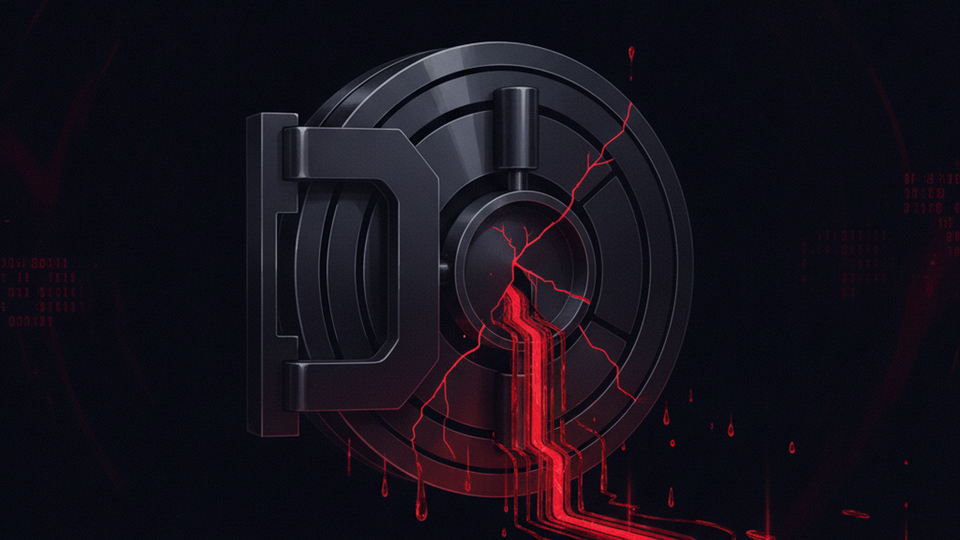
The old bank robbers wore masks and carried guns. The new ones wear headsets and carry PDFs.
The Summary
- Binance lost $6.3 billion in what TRM Labs calls the largest bank robbery in history, executed through a fake job interview that planted malware on an employee's device
- Exchange CEO Richard Teng claims Binance remains financially sound despite the theft, suggesting reserves exceed customer deposits
- The attack vector was pure social engineering: hackers posed as recruiters, sent a "job assessment" file, and waited for someone to click
- This isn't a smart contract exploit or a protocol vulnerability. This is the oldest con in the book, scaled to nine figures.
The Signal
The Binance heist marks a turning point not because of the technical sophistication, but because of the lack of it. No zero-day exploit. No novel cryptographic attack. Just a fake interview, a poisoned PDF, and patience. When TRM Labs head of policy Ari Redbord compares this to traditional bank robbery, he's making a point: the crime is the same, just the vault is different.
The attack itself was almost boring in its simplicity. Hackers created fake recruiter profiles and sent a "job assessment" document to Binance employees. Someone opened it. The malware executed. The thieves had their access. In an industry obsessed with cryptographic guarantees and trustless systems, the weakest link remains exactly where it's always been: the person clicking the mouse.
"The old threat model assumed attackers would break the math. The new threat model assumes they'll break the hiring process."
What makes this particularly striking:
- Binance is the world's largest crypto exchange by volume
- The company has survived regulatory battles, banking crises, and CEO transitions
- $6.3 billion represents roughly what JPMorgan Chase holds in total physical cash across all branches
Richard Teng's response focused on reassuring users about solvency, claiming the exchange maintains reserves that exceed customer deposits. That's the right move for preventing a bank run, but it sidesteps the deeper question: if a fake job posting can compromise the world's largest exchange, what does that say about the rest of the industry?
The Implication
Every crypto company is now updating their hiring processes. Background checks on recruiters. Sandboxed environments for assessment files. Paranoia as a service. But the real lesson here isn't about HR security. It's about the gap between crypto's technical ambitions and its human realities. You can build unhackable protocols, but you still need people to run the business around them. Those people get job offers. They open attachments. They make mistakes.
For builders in Web3, this is a forcing function. Multi-signature wallets and hardware security modules don't matter if an employee's laptop is compromised. The industry's next wave of security tooling won't be about better cryptography. It'll be about better sandboxing, better identity verification for anyone touching production systems, and yes, better training for spotting fake recruiters. The math was never the problem. The humans were.