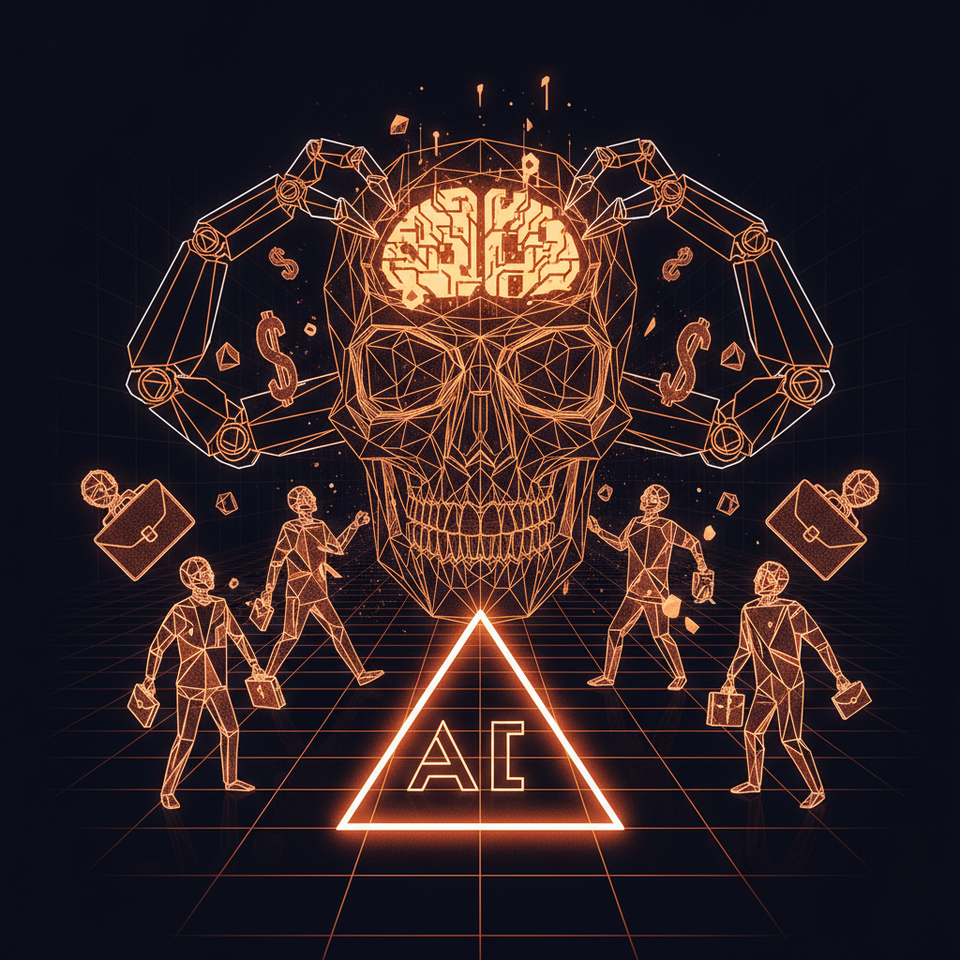
VCs built an industry betting they can spot the future, and now their own portfolio companies are automating the one thing they thought was safe: their judgment.
The Signal
The venture capital model has stayed remarkably stable for 50 years. Pattern recognition, network access, gut instinct wrapped in spreadsheets. A handful of partners making bets on founders, then spending years helping them not fail. It's worked because the alpha came from being right when others were wrong, and from opening doors that stayed closed to outsiders.
AI is eating both advantages. Models trained on decades of startup data can now predict success metrics faster than any partner review. They scan thousands of pitch decks in hours, flag financial anomalies humans miss, and spot market timing patterns across geographies. More important: they're getting deployed. Correlation Ventures has used algorithmic decision-making for over a decade. SignalFire built internal tools that track 5 million professionals to spot emerging companies before they formally fundraise. These aren't experiments anymore.
The real disruption isn't that AI can replace VCs. It's that it unbundles what made them valuable. Pattern matching gets commodified. Due diligence gets faster and cheaper. The network effects that made top-tier firms gatekeepers start mattering less when information flows everywhere simultaneously. What's left is the human work: the board seat, the hard conversation, the introduction that actually matters. That's a different job than most VCs signed up for.
Meanwhile, the partners betting billions on AI eating white-collar work seem genuinely surprised it might eat theirs. The irony is thick enough to cut with a cap table.
The Implication
If you're building in this space, watch where the money gets defensive. VCs will fund AI tools for every industry except their own until they can't anymore. The firms that survive won't be the ones with the best dealflow today. They'll be the ones who figure out what venture capital looks like when the information advantage is gone and all that's left is the judgment calls algorithms can't make. That's a smaller, weirder job than the current model supports.
Source: Wired AI