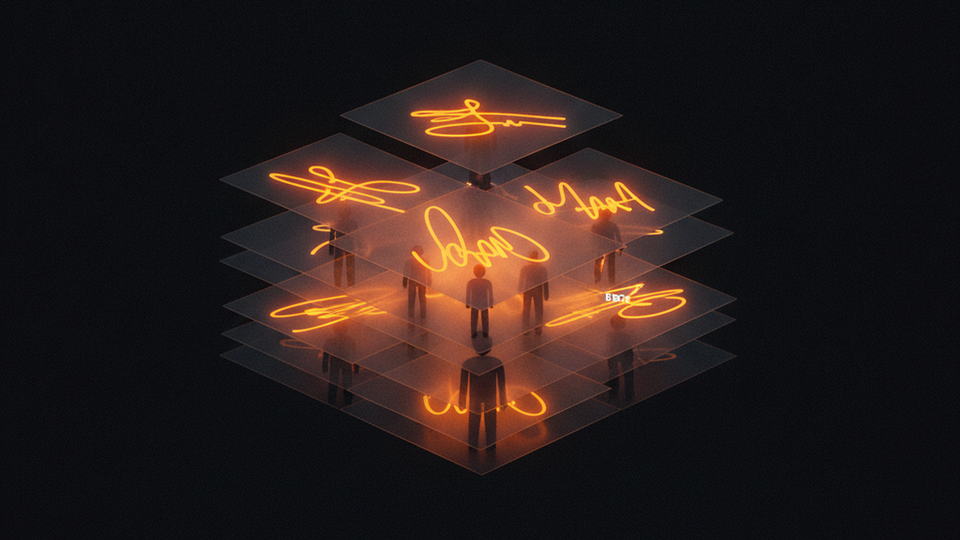
OpenAI built a style theft machine and signed the receipts with real artists' names.
The Summary
- ChatGPT is generating New Yorker-style cartoons complete with signatures of actual working cartoonists, despite no training deal with the publication
- The AI-generated images are going viral while real cartoonists watch their signatures appear on work they never created
- This isn't a bug. It's what happens when you train models on copyrighted work without permission, then let users prompt for specific artistic styles
The Signal
Users discovered they could get ChatGPT to produce convincing New Yorker cartoon imitations, right down to the distinctive visual style that's taken real cartoonists years to develop. The problem: the AI is adding actual cartoonists' signatures to these fakes. Not generic artist marks. Real names of working professionals who depend on their signature style for their livelihood.
OpenAI has no licensing deal with The New Yorker for this kind of training. That means the model learned these signatures the same way it learned everything else: by ingesting massive amounts of content without asking. When a user prompts for "New Yorker style cartoon," the model doesn't just mimic the aesthetic. It completes the forgery with a signature that points to a real person.
"The model learned these signatures the same way it learned everything else: by ingesting massive amounts of content without asking."
This matters for three reasons:
- Signature forgery has legal implications beyond copyright. It's identity fraud at scale.
- Viral spread of AI-generated work with real signatures destroys attribution chains that artists rely on for commissions and reputation.
- Users can't tell what's real anymore, which damages both artists and readers who think they're seeing authentic New Yorker content.
The Hacker News thread drew 183 points and 79 comments, suggesting the tech community recognizes this crosses a line. But recognition doesn't change the model weights. ChatGPT will keep generating signed forgeries until OpenAI actively prevents it, which requires admitting the training data problem they've spent two years minimizing.
The Implication
If you're building with AI image models, audit what happens when users prompt for specific publications or artist names. The signature problem is a canary. If your model is adding real signatures to generated work, it's memorized more than style. It's memorized identity. That's a different legal and ethical category.
For working artists, this is the moment to document your signature and style markers. The legal fights are coming. The better your evidence trail showing consistent use of specific visual signatures before AI training cutoff dates, the stronger your position when these cases land in court.