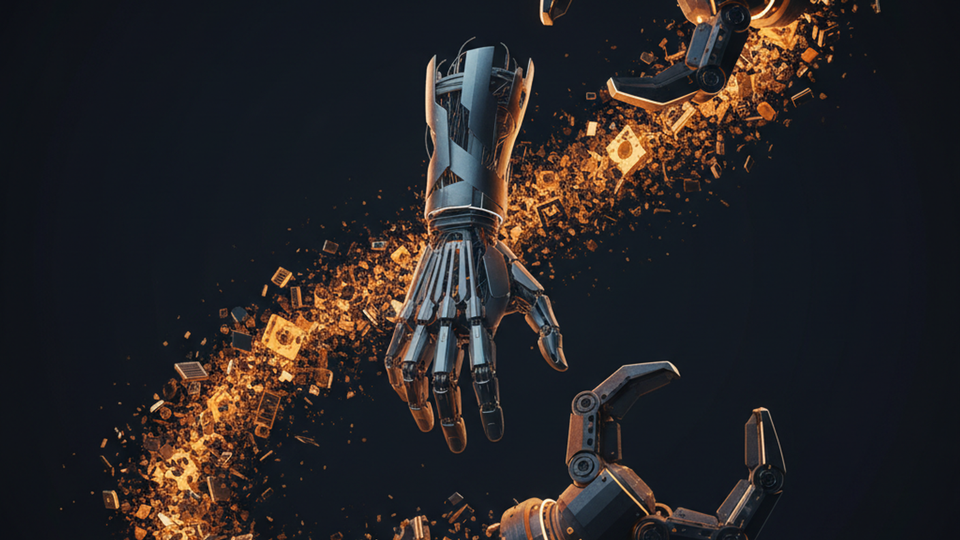
Humanoid robots don't need hands that look human—they need hands that work like human hands, and China's prosthetics industry just became the parts supplier for the agent economy.
The Summary
- Chinese neurotechnology startup BrainCo expects surging sales of its robotic hands driven by demand from China's expanding humanoid robotics industry
- A prosthetics maker is pivoting to robots, not because they're chasing hype, but because humanoid builders need what medical device makers already perfected: dexterous, reliable end effectors
- The convergence point: technology developed for humans who lost limbs is now the bottleneck solution for robots learning to manipulate the physical world
The Signal
BrainCo started as a prosthetics developer, building bionic hands for people. Now they're selling to robot makers. This isn't a pivot, it's validation. The hardest problems in prosthetics—responsive grip, tactile feedback, durability under constant use—are the same problems humanoid robot companies are hitting as they try to move from demos to deployment.
China's humanoid robotics industry is moving faster than most Western observers realize. The country isn't just building humanoid prototypes for trade shows. They're manufacturing at scale, which means they need components at scale. And hands are the hard part. You can bolt together a torso and legs with off-the-shelf actuators. Hands require precision, sensor integration, and control systems that can handle the difference between picking up an egg and turning a wrench.
"Technology developed for humans who lost limbs is now the bottleneck solution for robots learning to manipulate the physical world."
BrainCo's advantage:
- Years of R&D on neural interfaces and fine motor control
- Manufacturing infrastructure already built for medical-grade components
- Proven durability standards that exceed what most robot hands are tested for
The medical device regulatory path is brutal. BrainCo already cleared it. Now they're selling to an industry that moves faster, pays faster, and orders in higher volume. This is what technology transfer looks like when it runs in reverse—from human augmentation to machine capability, not the other way around.
The Implication
Watch the prosthetics industry. Companies that solved human-machine interfaces for medical applications are sitting on the component technology that humanoid robot makers need right now. This isn't speculative. BrainCo is already seeing the demand spike.
For anyone building in the agent economy, the question isn't whether physical agents will need human-grade manipulation. It's who will supply the hands, and whether Western robotics companies will keep trying to build everything in-house while Chinese manufacturers are already buying proven components off the shelf.