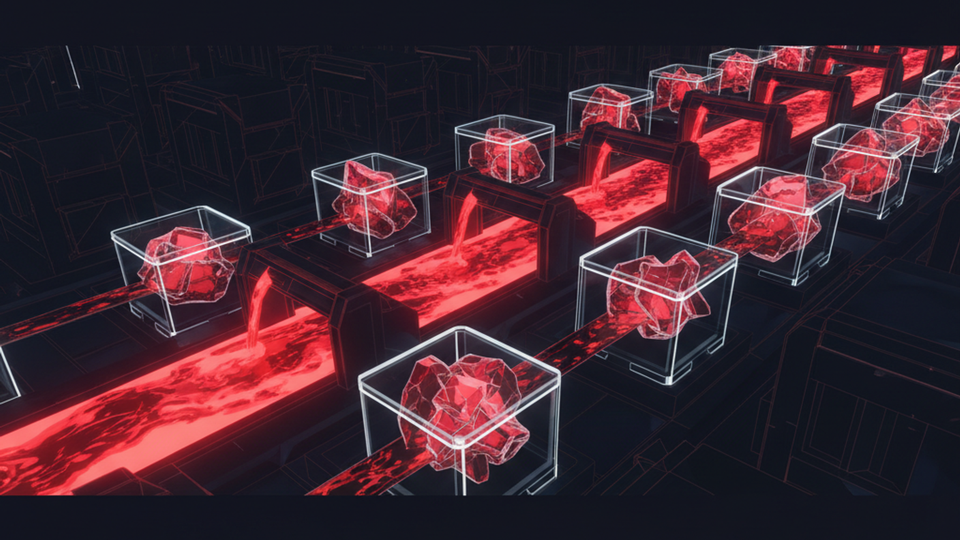
The most expensive commodity in AI isn't data anymore—it's the GPUs to process it, and now you can bet on the price.
The Summary
- CME Group is launching the world's first computing power futures market in partnership with Silicon Data, allowing traders to hedge or speculate on GPU rental costs
- The contracts aim to stabilize volatile AI development costs and create predictable revenue for compute providers
- This turns compute into a tradable asset class, bringing Wall Street risk management tools to the infrastructure layer of Web4
The Signal
CME Group, the world's largest derivatives exchange, is creating futures contracts for computing power in partnership with Silicon Data. The contracts will let companies and traders bet on or hedge the future price of GPU rentals, the same way energy companies hedge oil prices. Launch is planned for later this year.
The timing isn't random. GPU costs have become the single biggest variable expense for AI companies. A training run that costs $2 million today might cost $3 million next quarter, or $1.5 million if Nvidia floods the market. This volatility makes long-term AI project planning nearly impossible, especially for smaller labs and startups that can't just absorb cost swings.
"This innovation could stabilize AI development costs and attract diverse investors to tech-driven markets."
Here's what becomes possible with compute futures:
- AI labs can lock in training costs months in advance, making budgets predictable
- GPU providers can hedge revenue, making their business model less boom-bust
- Investors get exposure to AI infrastructure without buying servers or dealing with data centers
The market structure matters. CME's platform will allow both hedging and speculation, meaning compute pricing becomes a two-way market with actual price discovery. Right now, GPU costs are set by whatever Nvidia charges and whatever hyperscalers decide to charge for cloud instances. A futures market means the crowd gets to vote on where prices are heading.
Silicon Data brings the compute infrastructure side. CME brings 170 years of making markets in everything from pork bellies to interest rates. The partnership signals that compute is crossing over from tech expense line item to financial asset class.
The Implication
Watch what happens to crypto mining economics when compute becomes a hedgeable commodity. Mining operations that also rent out GPU capacity could use these futures to lock in revenue floors. More interesting: decentralized compute networks like Render or Akash suddenly have tools to compete with AWS on predictability, not just price.
Regulatory and adoption challenges remain, but if CME can create liquid markets here, compute joins the small list of fundamental resources you can trade forward. That list used to be food, energy, and metals. Now add the raw material of artificial intelligence.