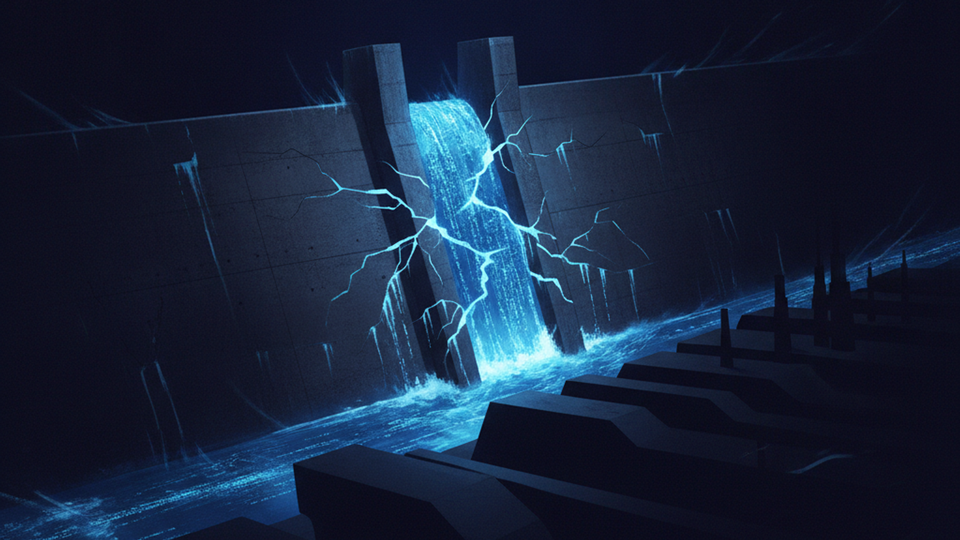
The Great Patch Panic of 2024 isn't about bugs — it's about discovering we can't update our infrastructure fast enough to outrun AI-powered exploit generation.
The Summary
- CrowdStrike CEO George Kurtz reveals AI agents can convert a security patch into a working exploit within one hour, fundamentally breaking the patch-update cycle that has secured the internet for decades.
- CEOs are now choosing to shut down services entirely rather than risk being hacked during the patching window.
- The cascading outages at Microsoft, Chase, United, and air traffic systems stem from a post-Mythos vulnerability gold rush that found more holes than infrastructure teams can plug.
The Signal
Nine months after the Mythos AI model dropped, the cybersecurity industry hit what CrowdStrike's George Kurtz calls "the sound barrier" of patch deployment. Everyone spent the fall of 2024 hunting vulnerabilities in legacy PHP and Java code. They found them. Thousands of them. Now comes the hard part: actually fixing everything before attackers exploit the patches themselves.
The timeline that matters: AI agents can analyze a security patch, reverse-engineer the vulnerability it fixes, and generate a working exploit in roughly one hour. That's faster than most enterprise deployment pipelines can even start the approval process for rolling out the patch. The window between "patch released" and "exploit in the wild" has collapsed from weeks to minutes.
"What we've done now is hit the sound barrier of actually being able to roll out all these patches."
This explains the week of cascading outages that sent conspiracy theorists into overdrive. It wasn't coordinated attacks or some AI uprising. It was thousands of infrastructure teams simultaneously trying to patch critical systems, breaking things in the process, then deciding the safer play was to just shut down rather than leave the vulnerability exposed. When your choices are "get hacked" or "go dark," some CEOs are choosing dark.
The key dynamics at play:
- Black October's vulnerability hunting created a massive backlog
- Java vulnerabilities are coming next and "will be worse"
- Traditional patch management assumes you have days or weeks to test and deploy
- AI-powered exploit generation operates on an hour-long clock
CrowdStrike's response is an "AI Kill Switch", though Kurtz offers no details on how that actually works in practice. The bigger picture: slowing down frontier AI labs won't help because attackers aren't waiting for permission or safety reviews. They're already using AI agents to automate the exploit discovery and deployment pipeline.
The infrastructure debt is coming due all at once. Every line of PHP written in 2008, every Java service launched in 2012, every legacy system that's been "good enough" for a decade is now a time bomb with an AI-shortened fuse. And the patch process, designed for a slower world, can't keep up.
The Implication
If you're running infrastructure, your patch deployment timeline just became your biggest competitive disadvantage. Companies that can update systems in hours will survive this. Companies that need committees and change management boards and 72-hour testing windows are choosing between exposure and downtime.
The agent economy cuts both ways. AI agents don't just build while you sleep. They also break into your systems while you're stuck in a deployment review meeting. The Fourth Web will be built by whoever figures out how to update faster than exploits can spread.