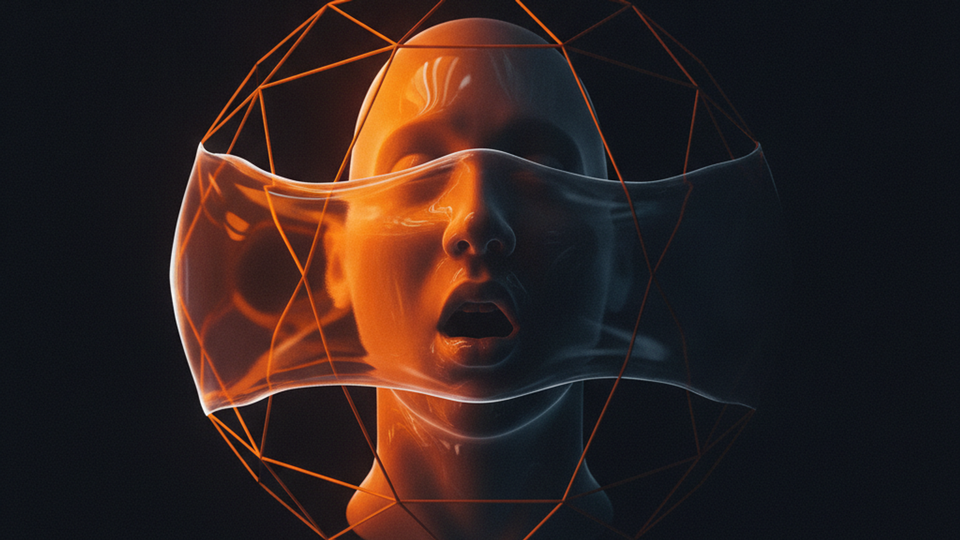
Google just gave its AI a face, but locked it behind an enterprise paywall—the consumer agent economy will have to wait.
The Summary
- Google's Gemini 3.8 Live now features an animated AI persona that lip-syncs and shows facial expressions during real-time conversations, currently enterprise-only
- The Live Avatar handles 97 languages with consistent video quality, switching between English and Japanese without visual drift or mouth-sync degradation
- Google can pull information on-screen during conversations, merging conversational AI with visual interface elements
- This is voice AI's next evolution: not just hearing your agent, but watching it respond like a person
The Signal
Voice assistants have been disembodied for two decades. Google's new Gemini 3.8 Live with Live Avatar changes that by adding a face to the conversation. The animated persona lip-syncs in real time, shows facial expressions, and maintains visual coherence across 97 languages. When the AI switches from English to Japanese mid-conversation, the mouth movements match the phonetics of each language without lag or uncanny valley slip-ups.
The technical achievement here is Google threading three needles at once: real-time speech generation, multilingual phoneme mapping, and stable video synthesis. Most companies can do one or two. Few can do all three without the avatar looking like a fever dream.
"Live Avatar can transition between the 97 languages it supports without degrading video fidelity or introducing visual drift."
But here's what Google isn't saying loudly: this is enterprise-only. Gemini Enterprise customers get the avatar. Everyone else gets the same voice-only experience they've had since Duplex debuted in 2018. The consumer AI agent economy, where people manage personal finances, travel, and healthcare through conversational interfaces, won't have faces yet.
Why does the face matter? Because humans are wired for faces. We read micro-expressions, we trust eye contact, we remember people who look at us when they talk. A voice-only AI is a tool. An AI with a face starts feeling like a coworker, a tutor, a consultant. That emotional shift changes how people use the technology and how much they're willing to delegate to it.
Key capabilities:
- Real-time lip-sync across 97 languages with phoneme-accurate animation
- On-screen information retrieval during conversation
- Facial expressions that respond to conversational context
- No visual drift when switching languages mid-session
The choice to launch enterprise-first makes sense from a revenue perspective. Companies will pay for interface improvements that reduce training time and increase employee adoption of AI tools. But it also signals where Google sees the immediate value: B2B workflows, not consumer agent tasks.
The Live Avatar can also pull up information on-screen while talking, which turns the interaction into something closer to a video call with a research assistant than a Q&A with a chatbot. The avatar becomes the interface, not just the output.
The Implication
Google just made AI agents more human, but only for enterprises willing to pay. For the rest of us, the disembodied assistant remains the standard. Watch for two things: how fast this filters down to consumer tiers, and whether competitors like OpenAI and Anthropic respond with their own avatar systems. The companies that figure out how to make AI agents feel less like algorithms and more like collaborators will own the next phase of human-computer interaction.
If you run enterprise ops or product, this is your cue to test whether a face actually improves AI adoption among your team. The tech is here. The question is whether the face makes the agent more useful or just more uncanny.