Beijing's software engineers are quitting their jobs to build businesses on top of an AI that controls their computers for them.
The Signal
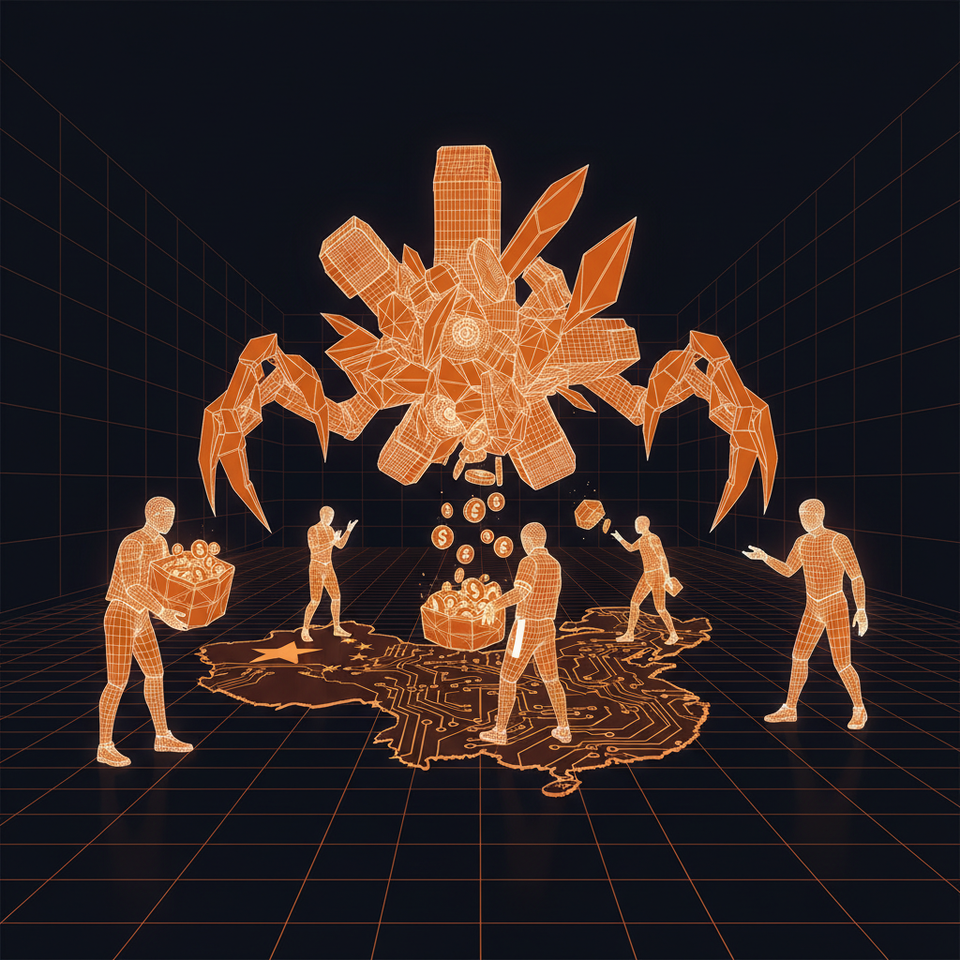
OpenClaw is China's breakout agent framework, and it's creating a gold rush that looks different from anything happening in the West. This isn't about chatbots or copilots. OpenClaw gives AI direct control of devices to complete multi-step tasks autonomously. The difference: it's fully open-source, trained on Chinese workflows, and spreading through a developer community that's moving at Beijing speed.
Feng Qingyang represents a pattern. He's 27, was employed as a software engineer, and is now building a company around OpenClaw faster than he thought possible. This is happening because the barrier to entry collapsed. You don't need to train models or build infrastructure. You need to spot a workflow that humans still do manually, wrap OpenClaw around it, and start charging. The picks-and-shovels phase got skipped. Everyone's going straight to gold.
The velocity matters here. Western AI development runs through venture-backed startups with 18-month runways. China's OpenClaw ecosystem is running through individual builders who ship in days, not quarters. They're not waiting for product-market fit. They're watching what works, forking it, and undercutting on price within a week. This is the agent economy at street level.
What's getting built: task automation for e-commerce sellers, AI that handles customer service across multiple platforms simultaneously, agents that monitor supply chains and reorder inventory. Real businesses solving real problems, not demos that might become products someday.
The Implication
Watch what gets built when the tools are free and the builders are hungry. China's creating a parallel agent economy with different rules: open-source first, speed over polish, business model validation before venture capital. If you're building agent infrastructure in the West, this is your competition. Not the technology, the velocity.