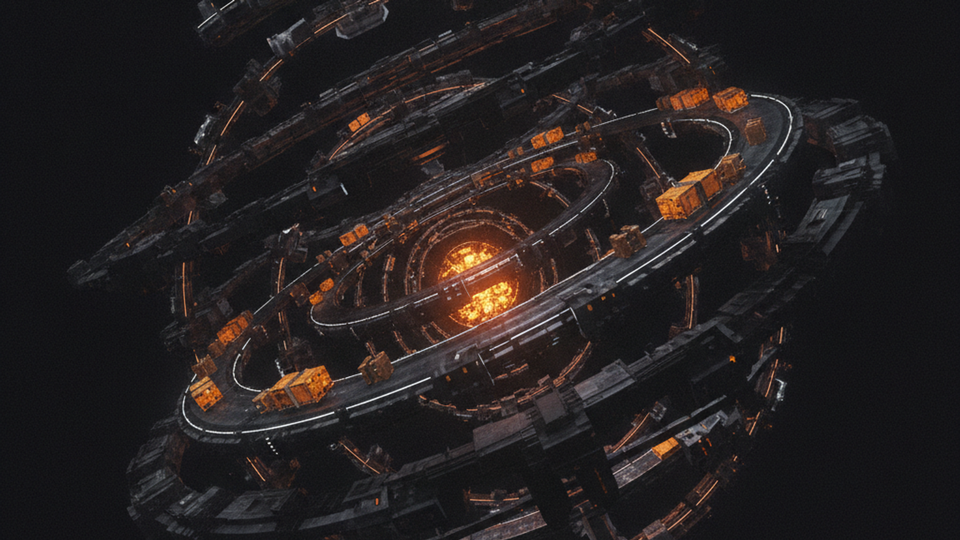
The logistics layer of space is getting funded like it's the internet's backbone in 1998.
The Summary
- Impulse Space raised $308 million more, pushing its latest round to $808 million total for building in-space transportation tech
- Space logistics infrastructure is getting treated like critical middleware, not moonshot science projects
- This scale of capital signals investors see orbital transfer vehicles as the picks-and-shovels play for the coming space economy
The Signal
Impulse Space just closed $308 million in additional funding, bringing its latest series to $808 million total. That's not venture capital. That's infrastructure money. The kind that flows when smart investors stop betting on the what-if and start building the how.
The company makes orbital transfer vehicles, essentially space tugs that move satellites and payloads between orbits. Unglamorous work. Critical work. The kind of thing nobody notices until it doesn't exist.
"Space logistics is getting the same treatment data centers got in 2010: boring, essential, and suddenly worth billions."
Here's what matters: Impulse isn't building rockets to launch things. They're building the layer that comes after launch. The middle mile. When SpaceX or Rocket Lab gets your satellite to orbit, Impulse gets it where it actually needs to be. Different orbits require different capabilities. You can't just aim a rocket at the right spot and call it done.
This funding scale suggests investors see a clear path to revenue, not R&D theater. Key dynamics driving this:
- Satellite constellation deployments are accelerating, creating demand for precise orbital placement
- Government and commercial customers need repositioning capabilities for aging satellites
- The space debris problem creates a market for deorbiting services
The Implication
Follow the infrastructure money. Impulse's raise tells you where the market thinks value accrues in space, at least in the near term. Not the flashy stuff. The connective tissue. The companies building practical solutions to known problems with paying customers already lined up.
For the agent economy and Web4, watch this pattern. The same capital allocation logic applies. The first wave funds the visionaries building the impossible. The second wave funds the people solving the logistics problems that make the impossible scalable. We're entering that second wave across AI agents, tokenization infrastructure, and now orbital mechanics.