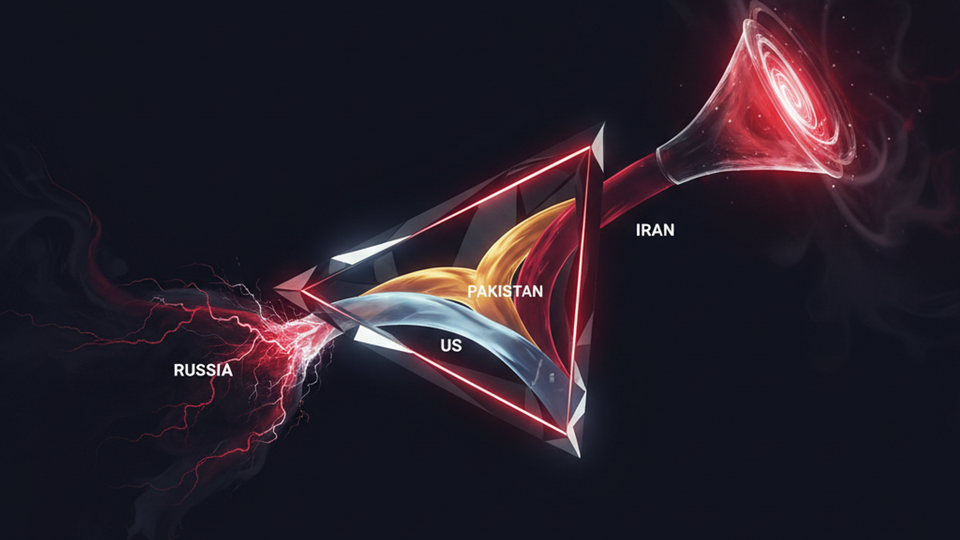
The nuclear negotiation everyone said was impossible just got a Pakistan-shaped detour and a Russian middleman.
The Summary
- Iran has included its nuclear file in new diplomatic talks, marking a potential shift after weeks of failed direct engagement with the US
- IAEA, Russia, and the US are in talks to extract Iran's enriched uranium from Isfahan, a multilateral approach replacing the bilateral standoff
- Pakistan emerged as the key mediator after direct US-Iran talks collapsed, with Islamabad hosting multiple rounds of indirect negotiations
- Iran refused to meet US demands for uranium surrender by the April 2026 deadline, insisting it faces no enrichment limits under IAEA rules
- The shift comes amid naval blockade tensions in the Strait of Hormuz and rising oil prices that pressure economies from India to Europe
The Signal
The nuclear standoff just became a three-dimensional chess game. For weeks, the US and Iran couldn't agree on where to meet, much less what to negotiate. Iran demanded ceasefire conditions before talks, the US seized Iranian vessels and called it counter-piracy, and prediction markets on a peace deal cratered. Then the board changed.
Russia entered as an intermediary through the IAEA, offering to handle the uranium extraction from Isfahan that neither Washington nor Tehran could agree on directly. This isn't just diplomatic theater. It's a workaround that lets both sides save face while addressing the core proliferation risk everyone's actually worried about.
"The IAEA's negotiations with Russia could reshape geopolitical dynamics, influencing future U.S.-Iran relations and global nuclear policy."
Here's what changed on the ground:
- Pakistan stepped up as primary mediator after Oman's earlier efforts stalled
- Iran's foreign minister made multiple trips to Islamabad, signaling Tehran's willingness to talk through intermediaries
- Internal Iranian politics shifted, with hardliner Ghalibaf sidelined, opening space for pragmatists
The uranium question is the real leverage point. Iran asserts it faces no enrichment limits under IAEA rules, a technically correct but diplomatically explosive position. The US wants the stockpile out of Iran entirely. Russia's offer to extract it creates a middle path, though concerns remain that Iran could hide enriched material before any inspection happens.
The market impact is immediate. Oil prices spiked as tensions disrupted the Strait of Hormuz, pressuring currencies from India's rupee to emerging market bonds. Currency markets have remained relatively steady as traders price in the possibility of de-escalation, but that calm is fragile. Every failed talk attempt moves the needle.
The Implication
Watch what Pakistan announces in the next two weeks. Sources suggest Islamabad may announce resumed negotiations, which would mark the first formal breakthrough since March. If Russia successfully positions itself as the uranium custodian, it gains leverage over both Washington and Tehran, a geopolitical win that complicates US strategy in the region.
For anyone tracking energy markets, tokenized commodities, or geopolitical risk, this matters. A negotiated uranium extraction reduces the tail risk of military escalation, which has been pricing into oil futures and defense stocks for months. But it also validates indirect diplomacy through non-traditional actors, which means future crises may bypass traditional channels entirely. The nuclear file isn't just about uranium. It's about who controls the negotiation infrastructure when great powers can't talk directly.