AI agents can now handle your Bitcoin wallet, but only if you tell them exactly what they're allowed to spend.
The Summary
- Nunchuk released open-source tools that let AI agents interact with Bitcoin wallets under strict policy-based limits
- Humans retain full control over spending authority through predetermined rules that constrain agent behavior
- This is infrastructure for the agent economy: automated Bitcoin management without giving agents carte blanche
The Signal
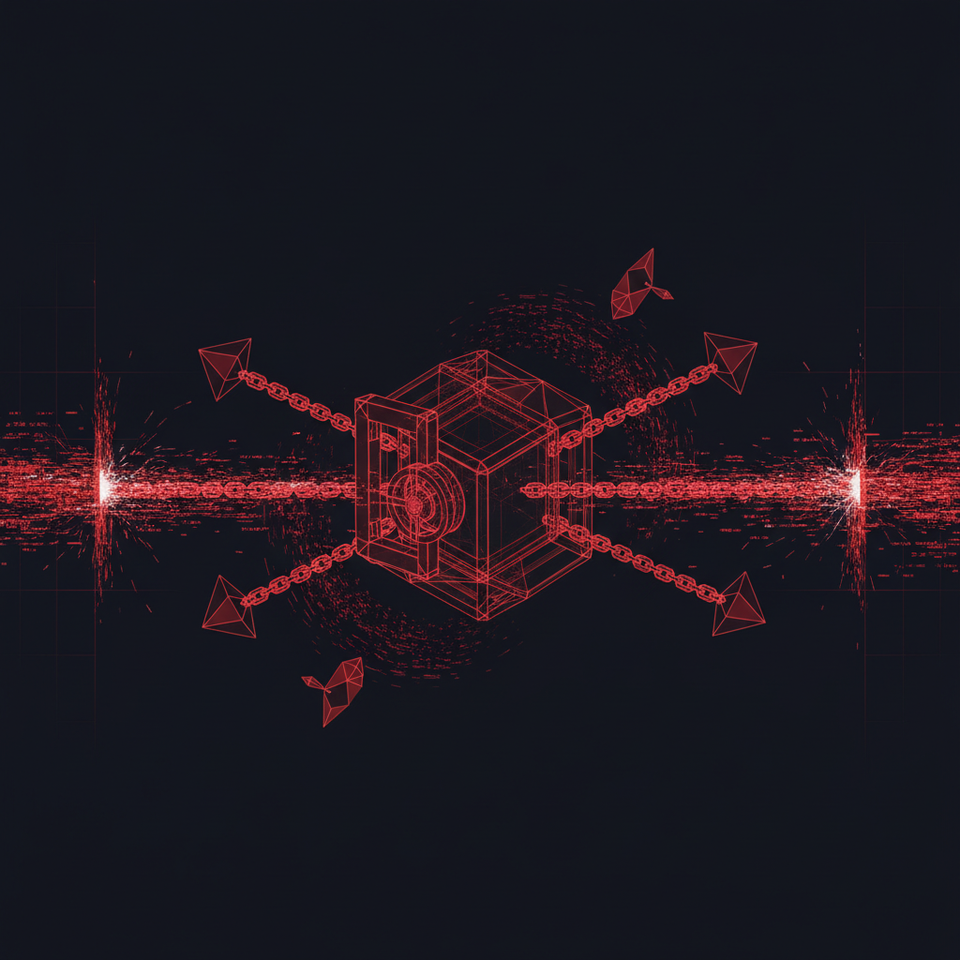
The Fourth Web needs guardrails. Nunchuk's new open-source tools let AI agents manage Bitcoin wallets, but with something most agent frameworks lack: bounded authority. Instead of giving an agent your keys and hoping it behaves, you set hard limits on what it can do. Think spending caps, time restrictions, approved recipient lists. The agent can optimize, rebalance, or execute within those bounds. It can't go rogue.
This matters because the agent economy has a trust problem. We're building systems where AI makes financial decisions while we sleep, but most frameworks operate on binary permission models. Either the agent has access or it doesn't. Nunchuk's approach introduces graduated control: the agent has access, but only within parameters you define. It's the difference between handing someone your credit card and giving them a prepaid debit card with a $50 limit.
The open-source release is the smart move. If agents are going to handle real money at scale, the control layer can't be proprietary. It needs to be auditable, forkable, and community-tested. Bitcoin developers will pick this apart looking for edge cases. That's exactly what you want when building financial infrastructure for autonomous systems.
The Implication
Watch for this pattern to spread beyond Bitcoin. Every chain where agents will hold and move value needs bounded authority frameworks. The teams building these control layers now are building the rails for the agent economy. If you're developing AI agents that touch money, you need a clear answer to "what stops this thing from draining the account?" Nunchuk just open-sourced theirs.
Sources: Decrypt | Bitcoin Magazine