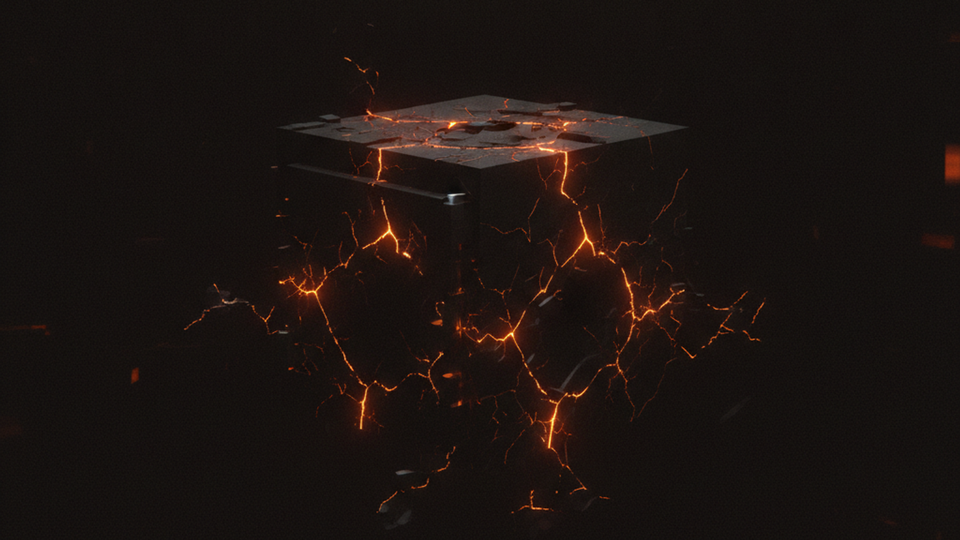
The companies building the AI future are black boxes—and investors are done guessing what's inside.
The Summary
- Investors are demanding proof that massive AI spending generates returns, pushing for OpenAI and Anthropic IPOs to reveal actual economics behind the hype
- The US reversed its policy requiring White House approval before UK AI safety evaluations, signaling even governments struggle to monitor leading models
- Government admits it lacks capacity to independently oversee OpenAI and Anthropic, creating a regulatory transparency crisis alongside the investor one
- OpenAI and Anthropic's private status keeps "a key part of the AI economy opaque," per DVX Ventures principal David Fetherstonhaugh
The Signal
We're watching two transparency crises converge. The first is economic. VistaShares portfolio manager David Fetherstonhaugh says investors want proof that AI infrastructure spending is actually generating returns. As long as OpenAI and Anthropic stay private, the unit economics of frontier AI remain speculation. How much does training actually cost? What's the real compute-to-revenue ratio? Nobody outside these companies knows for sure.
The market has poured hundreds of billions into AI infrastructure on faith. Nvidia's dominance, hyperscaler capex, the GPU shortage—all premised on the assumption that someone, somewhere, has figured out how to turn tokens into sustainable profit. But without public financials from the companies actually building and deploying these models, investors are flying blind.
"Private companies like OpenAI and Anthropic leave a key part of the AI economy opaque."
The second crisis is regulatory. The US just reversed a Trump-era policy that required White House approval before the UK could evaluate leading AI models. Translation: the previous administration tried to control who gets to look under the hood, and the current one just admitted that stance was unsustainable. Meanwhile, Fortune reports the US government has conceded it can't monitor OpenAI and Anthropic alone.
This creates a strange dynamic where:
- Regulators need access to evaluate safety risks
- Investors need access to evaluate business risks
- Both are getting the same answer: trust us
The UK reversal matters because it signals a broader recognition that frontier AI oversight can't be a one-country operation. If the US government doesn't have the resources or technical capacity to independently monitor these models, pooling international expertise becomes the only viable path. But that requires the model builders to open up, which they've been reluctant to do while private.
The Implication
IPOs won't just be liquidity events. They'll be forced disclosure events. When OpenAI and Anthropic file S-1s, we'll finally see whether the AI boom has a profitable center or if it's all expensive periphery. Investors will get unit economics. Regulators will get leverage, because public companies face different accountability structures than private ones.
Watch for the timeline. If these IPOs keep getting delayed, it's a signal. If they happen quickly with thin disclosures, that's a different signal. The pressure is building from both sides now—capital markets and governments both need to see inside the black box. The agent economy can't scale on faith alone.