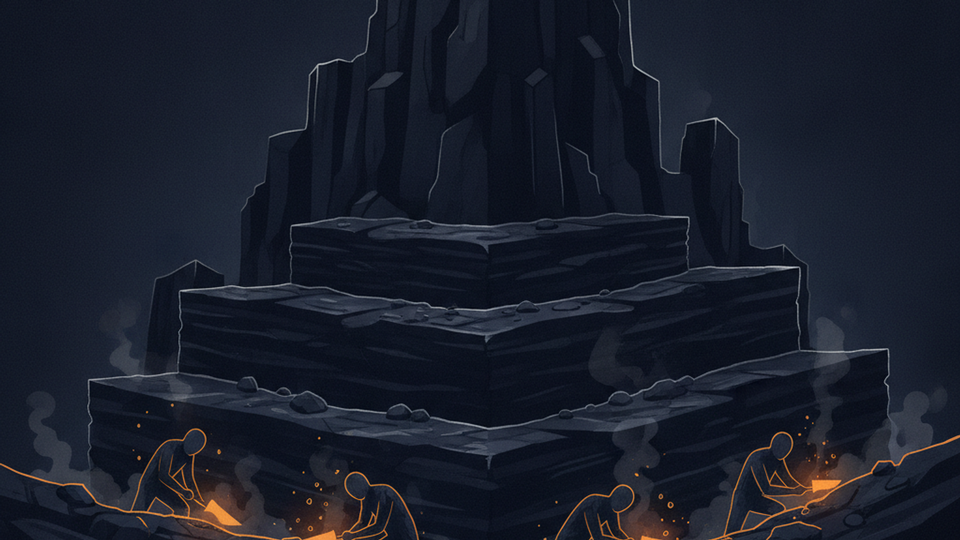
When the people building the thing start calling for guardrails, they're not worried about safety — they're worried about competition.
The Summary
- OpenAI's Altman, Anthropic's Amodei, DeepMind's Hassabis, Microsoft's Nadella, and X's Musk all recently called for AI regulation — a familiar pattern dating back to Butler's 1863 warnings about intelligent machines
- This isn't altruism. Regulation typically benefits incumbents by raising barriers to entry while letting established players continue building
- The real question isn't whether AI needs rules, but who writes them and whether those rules ossify today's power structure into tomorrow's monopoly
The Signal
The tech industry has a playbook for this. Build fast, dominate your category, then call for regulation the moment smaller competitors show up. AI executives are running that play right now, and the timing matters more than the message.
When Sam Altman testifies before Congress about AI safety, OpenAI already has GPT-4 in market and billions in Microsoft backing. When Dario Amodei talks about responsible scaling, Anthropic has already raised hundreds of millions. These aren't warnings from concerned bystanders. They're moats disguised as ethics.
"Regulation that requires massive compute, compliance teams, and legal reviews doesn't slow down OpenAI — it prevents the next OpenAI from existing."
The historical parallel isn't comforting. Every major technological shift produces this same cycle:
- Early builders move fast with minimal oversight
- A few winners emerge and consolidate power
- Those winners suddenly discover concerns about safety, ethics, or social impact
- Regulation arrives, written with input from those same winners
- New entrants face barriers the incumbents never did
The Implication
Watch who writes the actual regulations. If the compliance burden requires resources only billion-dollar companies can afford, you're seeing regulatory capture in real time. The Fourth Web depends on permissionless innovation — where anyone can build agents, deploy models, or create new economic structures without asking permission from OpenAI or Google.
The real risk isn't that AI goes unregulated. It's that regulation becomes a velvet rope that keeps startups, independent researchers, and open-source communities locked out while the incumbents keep building. If you're working on AI, crypto infrastructure, or agent frameworks, the next 18 months of policy formation matter more than the technology itself.