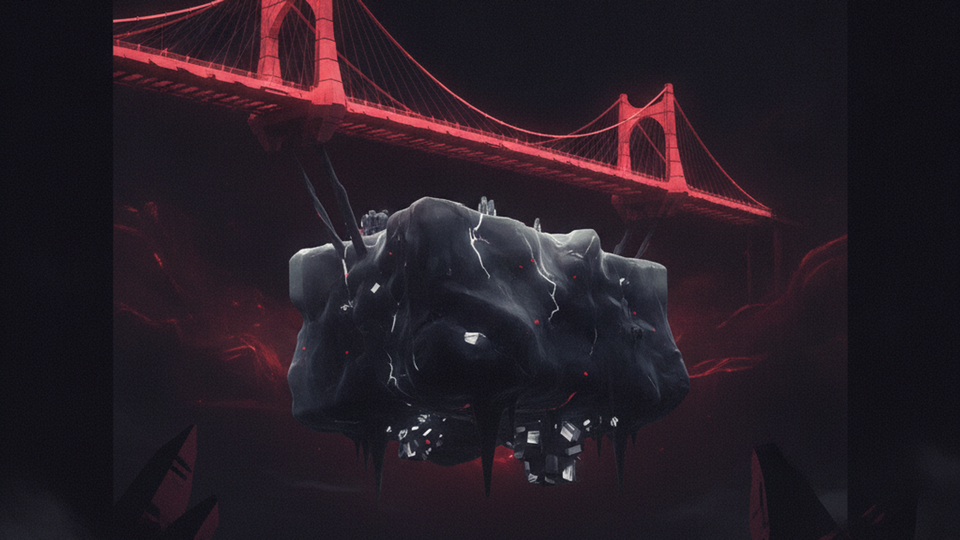
Bitcoin's most integrated DeFi bridge is technically alive but functionally dead, stranding over $120 million in collateral while Aave users wait for operators to log back in.
The Summary
- Threshold's tBTC bridge resumed onchain operations, but the user-facing app remains paused after a week-long outage while operators reconnect.
- Aave's Ethereum Core has $119.9-123.2 million in tBTC reserves frozen, unable to process redemptions despite the protocol being technically operational.
- Bitcoin redemptions won't resume until Threshold hits its operator reconnection target, exposing the fragility of federated bridge models even when the code works fine.
The Signal
The infrastructure is running. The problem is the humans. Threshold's tBTC bridge came back online at the protocol level, but the application layer stays dark because not enough node operators have reconnected. This isn't a hack, a bug, or a regulatory freeze. It's a coordination problem at scale, and it's holding nine figures of capital hostage.
tBTC is one of the most deeply integrated Bitcoin wraps in DeFi. It powers collateral positions across Aave, Curve, and other major protocols. When Aave's Ethereum Core froze $123.2 million in tBTC reserves a week ago, it wasn't because the smart contracts failed. It was because the humans running the network's federated nodes went offline, and Threshold chose caution over speed.
"Bitcoin redemptions will resume once enough operators return."
The technical stack is a federation model. Threshold runs a network of operators who collectively manage Bitcoin custody through threshold signatures. When too many operators drop offline, whether from maintenance, configuration issues, or coordination failures, the whole system pauses to prevent key share fragmentation. The protocol resumed onchain, but Threshold won't flip the user app back on until operator participation crosses a safety threshold they haven't publicly specified.
This is the quiet failure mode no one talks about in bridged asset design:
- The code can be bulletproof.
- The cryptography can be sound.
- The economics can align perfectly.
- And your bridge still goes offline because Carl and fifteen other node operators didn't update their configurations after a network pause.
The TVL trapped isn't trivial. $119.9 million on Ethereum Core alone represents real positions, real liquidation risk if Bitcoin moves hard, and real cost of capital for users who can't exit. Every day this drags on, the implicit tax on tBTC holders compounds. You're holding an asset that's supposed to track Bitcoin 1:1, but you can't redeem it, so you're exposed to smart contract risk and liquidity risk with no upside.
The Implication
If you're building with wrapped Bitcoin, operator liveness is now a first-class risk vector alongside smart contract exploits and peg stability. Threshold's pause proves that even well-architected bridges can freeze for non-technical reasons, and the next generation of Bitcoin DeFi needs better answers than "wait for enough humans to log back in." For users, this is a reminder: custody model matters. Federated bridges give you decentralization theater, not decentralization. When the operators flake, you wait.