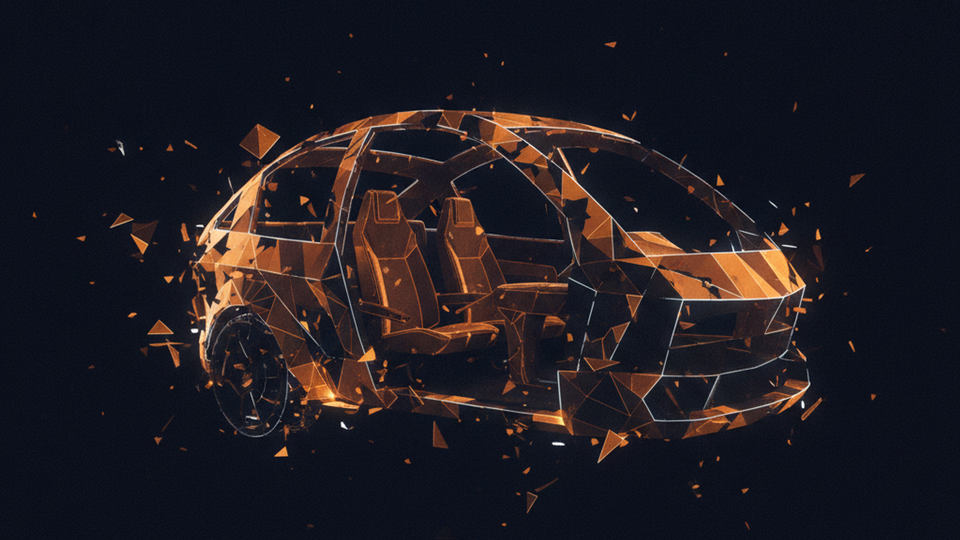
The first company to charge Americans money to sit in a car with no steering wheel just flipped the switch in Vegas.
The Summary
- Zoox is launching paid robotaxi rides in Las Vegas, becoming the first US company to charge for rides in a purpose-built autonomous vehicle with no steering wheel
- Amazon's robotaxi bet moves from R&D expense to revenue-generating operation, a milestone the autonomous vehicle industry has chased for years
- CEO Aicha Evans discussed pricing strategy, expansion roadmap, and production scaling as Zoox shifts from testing to commercial operations
The Signal
The autonomous vehicle industry just got its first real customer in America. Not a beta tester. Not an employee shuttle. Zoox is charging money for rides in Las Vegas in vehicles that were designed from scratch to have no human controls at all. No steering wheel to grab if things go sideways. This is the bet Amazon made when it acquired Zoox in 2020 for $1.2 billion, fully realized.
Every other robotaxi operation in the US retrofitted existing cars. Waymo started with Chrysler Pacificas, then Jaguars. Cruise used Chevy Bolts. They bolted sensors onto vehicles designed for human drivers and called it autonomy. Zoox built a bidirectional electric box that looks the same from both ends, fits four passengers facing each other, and has no spot for a steering wheel even if you wanted one.
"Purpose-built autonomy just became a commercial product, not a concept video."
The Vegas launch matters because it's where theory meets money. Zoox has been testing in multiple cities since 2023, running employee shuttles and free rides. But paying customers change everything. They complain about routes. They compare prices to Uber. They post videos when something weird happens. This is the forcing function that turns a robotics project into a transportation business.
The business model questions are the interesting ones now:
- How does Zoox price against human-driven rideshare without undercutting so hard it looks desperate?
- What does production ramp look like when you're building vehicles no factory was designed to make?
- Where do you expand next when you need both regulatory approval and the density to make unit economics work?
CEO Aicha Evans didn't just show up on Bloomberg Tech to talk about Vegas. She's signaling that Amazon is serious about scaling this beyond a single market novelty. The expansion plan and production ramp Evans discussed point to a company that thinks it cracked the commercial code, not one still figuring out if the tech works.
The Implication
Watch how Zoox prices in Vegas. If they're within 20% of Uber rates, they're playing the long game and betting on operational efficiency at scale. If they're undercutting by 40%+, they're buying market share and the unit economics don't pencil yet. The pricing strategy will tell you whether Amazon thinks this is a 2027 business or a 2030 business.
The real test isn't whether tourists take robotaxi rides in Vegas. It's whether Zoox can manufacture these purpose-built vehicles at a cost structure that makes sense without steering wheels, pedals, and all the liability-shifting hardware human-driven cars require. If they can, every other robotaxi company that retrofitted existing vehicles just made the wrong bet.